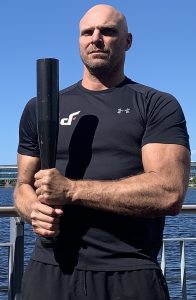
The use of heavy powerbags and their large body makes the user to do his lifting with a round back instead of the traditional flat back lifting with a barbell. This style of training is great for developing not only strength, but also power through movements that are identical to those used in wrestling.
I should have known when my friend came to the gym with her two heavy power bags that it was time for a new challenge. The use of these large, round objects forces you to work in ways different from traditional weight lifting and really build your back muscles well. As I watched her do this type of workout with ease, she shared how wrestling is one sport where similar movements are used so we can be prepared for anything! Now there’s no excuse not to try something out-of-the ordinary 🙂
This gives him more work capacity for training than he would have had if only working on one muscle group at a time because it develops both side and front torso muscles as well as strengthening core stability through movements which mimic those done by wrestlers during competition.
I know, you may not be a wrestler or martial artist but after reading this article it’s clear that there are plenty of exercises we can do in the gym to help us out without risking injury. For example, your bench press and squat will become stronger because they build better stability which protects from injuries like bad knees!
Lifting weights without the risk of injury is one way to ensure you are performing your exercises safely. The bench press, squat and deadlift just a few examples of lifts that can be incorporated in workouts outside the gym with or without equipment.
Bench presses help strengthen chest muscles while also working out triceps; squats work on quads along with hamstrings and glutes; deadlifts target back arms as well as core stability.
In conclusion, whether you’re a wrestler, rugby player or regular gym rat… the power bag is an essential training tool.